
Introduction
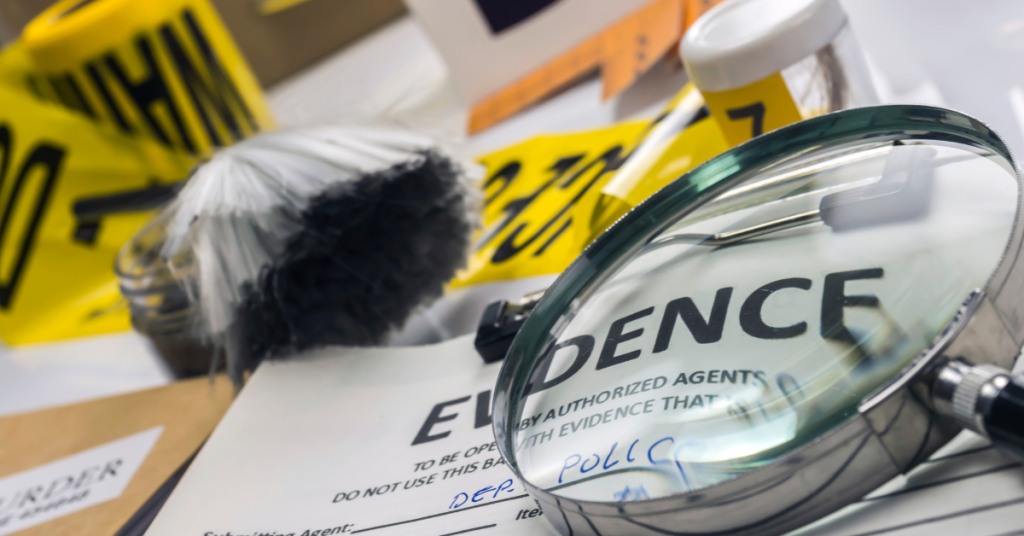
Forensic science has become glamorized in popular TV shows like “CSI” and “Law & Order,” creating the impression that crimes can be easily solved through high-tech investigative methods. While these fictional portrayals are entertaining, it’s important to understand the real-world applications and impact of forensic investigations.
Types of Forensic Investigations
There are several common types of forensic investigations utilized in the criminal justice system and legal proceedings.
DNA Analysis
One of the most well-known forensic analysis techniques involves DNA profiling. By extracting DNA from blood, hair, skin cells, and other biological evidence, investigators can identify individuals based on their unique genetic code. Comparing DNA samples from a crime scene to potential suspects allows matches to be made with a high degree of accuracy. DNA evidence is invaluable in prosecuting crimes like murder, assault, and rape.
Fingerprint Analysis
Fingerprint identification is another pillar of forensic science. The distinctive patterns of ridges and lines on human fingertips make them extremely useful for determining identity and linking suspects to evidence. Fingerprints can be lifted from a wide variety of surfaces and environments and run through databases to find any existing matches.
Digital Forensics
In today’s digital age, an increasing amount of evidence originates from computers and devices. Digital forensics involves recovering data from smartphones, laptops, networks, and other digital sources. Emails, internet history, documents, photos, and other files can be scrutinized and used to support hypotheses in both criminal and civil cases.
Accounting Forensics
Forensic accountants analyze financial records to look for wrongdoing in areas like embezzlement, fraud, and tax evasion. By following paper and digital money trails, forensic accounting helps uncover complex white-collar crimes. Their investigative work is important for legal cases and corporate internal reviews.
Forensic Psychology
Forensic psychologists utilize psychology to aid legal processes, often by analyzing the mental state and motivations of criminals. Their assessments help determine competency to stand trial, risk of reoffending if released, likelihood of rehabilitation, sentencing recommendations, and more.
The Real-World Impact
While fictional TV shows exaggerate the capabilities of forensics, these investigative techniques have an invaluable real-world impact in the criminal justice system and beyond.
Vital Tool for Legal Professionals
Forensic evidence provides a more definitive, science-based approach to investigating crimes compared to relying solely on eyewitness testimony or circumstantial evidence. The evidence uncovered and analyzed by forensic scientists allows prosecutors, defense lawyers, and judges to make well-informed arguments and decisions in legal proceedings. Forensic techniques add objectivity and reduce bias.
Critical for Law Enforcement
For police and investigative agencies, forensics provides vital clues and information to pursue criminal charges and close cases. Processing crime scenes, lifting fingerprints, extracting digital evidence, and running lab tests give law enforcement concrete leads to identify perpetrators. In addition to solving individual crimes, this helps establish patterns to predict and prevent future criminal activity.
Justice and Closure for Victims
The use of reliable forensic evidence helps victims and families get justice and closure in tragic cases. Robust forensic investigations increase the likelihood that the true offender is identified and sentenced rather than an innocent person. While forensic science has limitations, its application in the legal system broadly improves outcomes.
In summary, forensic techniques have a far-reaching real-world impact, helping deliver justice, take dangerous criminals off the streets, uncover the truth in civil disputes, and provide closure to victims. The science behind forensics makes it an invaluable tool for 21st century law enforcement and jurisprudence.
Here is the mind map outlining the structure of the article:
Related Article:
Internal Links:
External Links:
- South African Police Service (SAPS) Forensic Services
- SAPS Forensic Science Laboratory
- Forensic Science in South Africa: A Review of Education, Training, and Research
- Forensic Science in South Africa: A Review of the Past, Present, and Future
- The Role of Forensic Science in Criminal Investigations: A Comprehensive Review
- Forensic Science in South Africa: Challenges and Opportunities
FAQs
- What is the difference between the portrayal of forensic investigations on TV and in real life? Television often exaggerates the speed and infallibility of forensic investigations, whereas in reality, they are meticulous and time-consuming.
- What types of forensic investigations are commonly used? Common types include DNA analysis, fingerprinting, digital forensics, and forensic toxicology.
- How do forensic investigations aid legal professionals? Forensic evidence can provide compelling arguments in court, adding a layer of objectivity and reliability that is highly valued in the legal system.
- How important are forensic investigations for law enforcement agencies? They are indispensable for solving and preventing crimes, helping to identify and apprehend criminals.
- What is forensic toxicology? It involves the study of toxins, chemicals, and other substances to understand their effects and detect their presence in the human body.